Drunken Noodles Near Me: Your Guide to Satisfying Thai Noodle Cravings
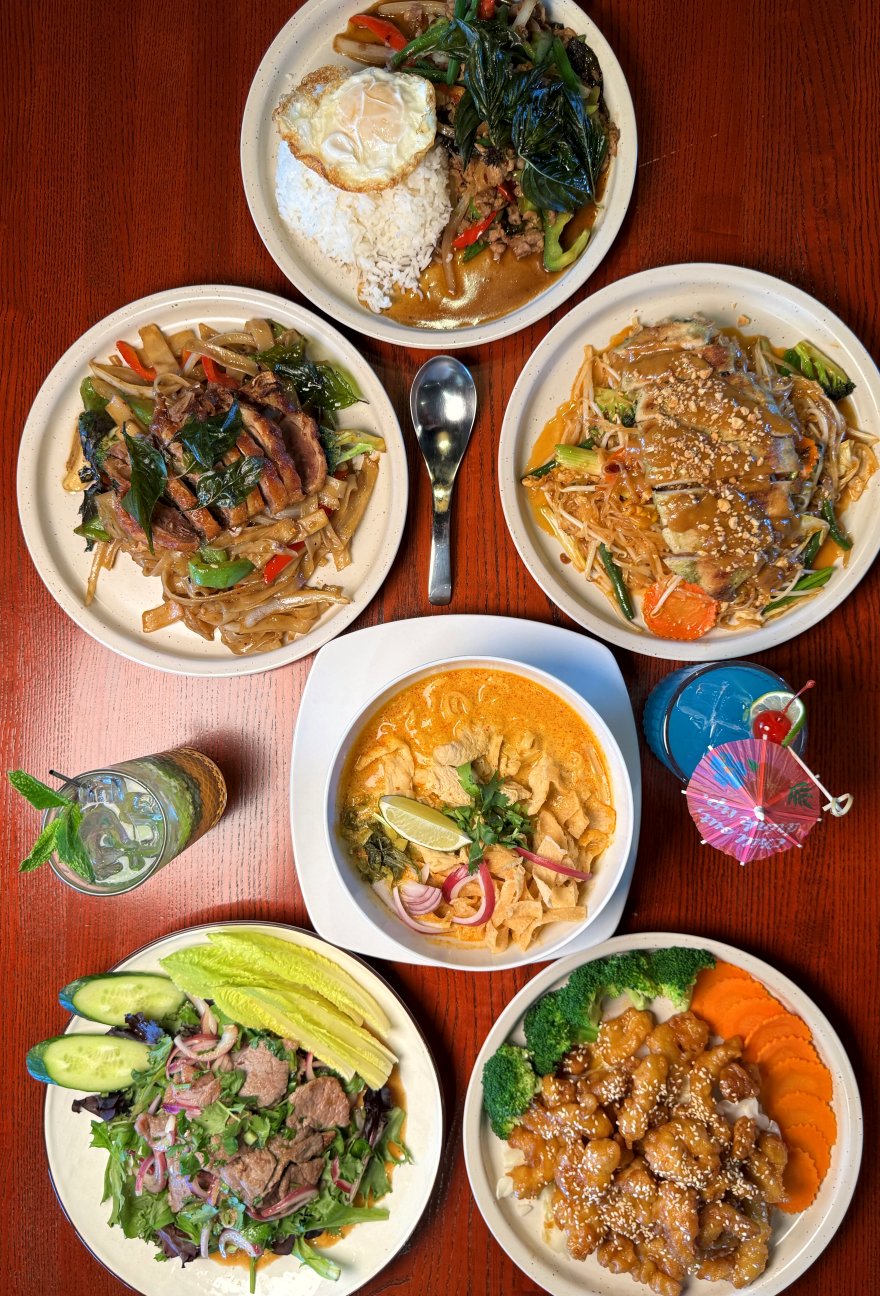
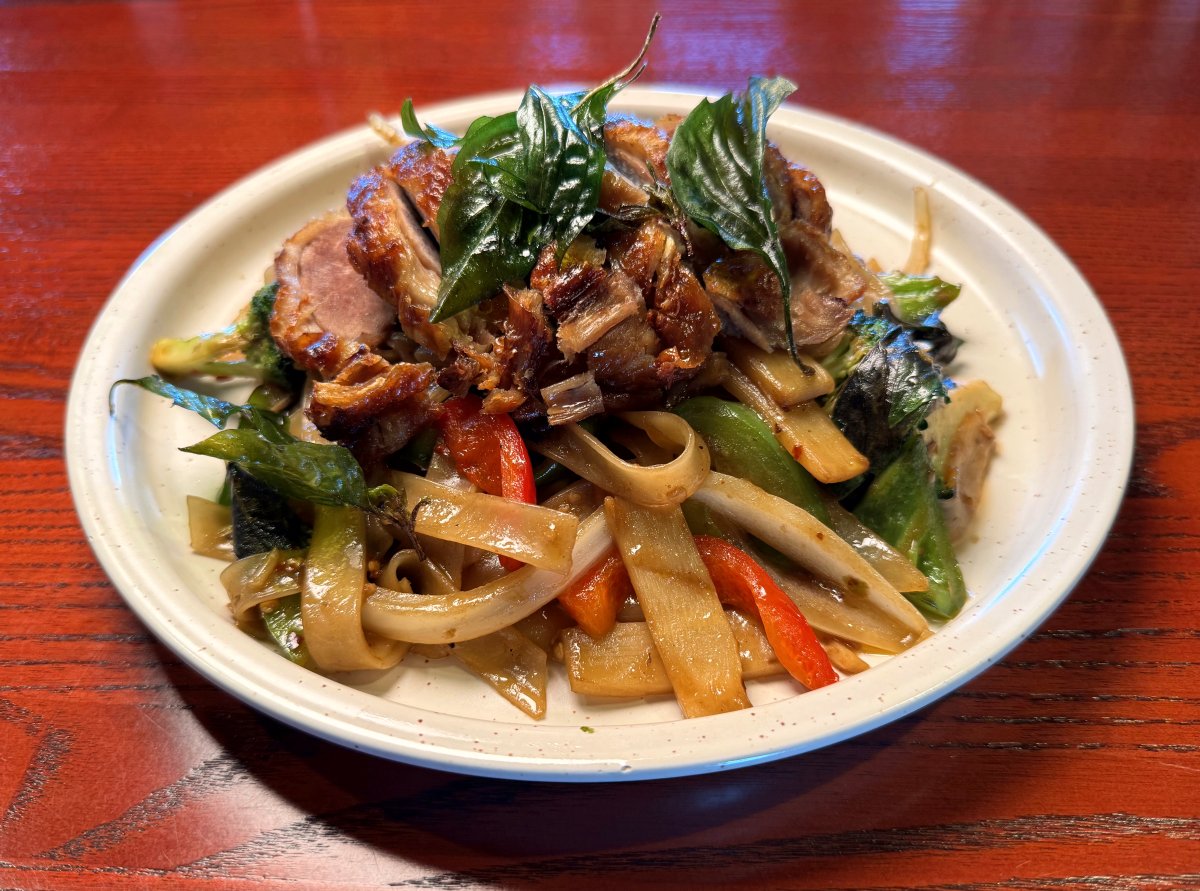
Few cravings arrive politely. A real craving for Thai noodles tends to announce itself all at once, usually with a clear picture in your head: broad rice noodles slick with sauce, the heat of fresh chilies, the sharp lift of basil, a little char from a hot wok, and enough savory depth to keep you reaching back into the carton long after you meant to stop. When that craving hits, the search usually starts with a simple phrase: Drunken Noodles Near Me.
That search sounds straightforward, but anyone who orders Thai food regularly knows the results can be wildly uneven. One place serves a smoky, spicy plate with just the right chew in the noodles. Another sends out something sweet, flat, and soupy, more like stir-fried pasta than a proper Drunken Noodle. The difference comes down to ingredients, technique, and a restaurant’s understanding of what makes this dish compelling in the first place.
If you want a satisfying plate instead of a disappointing takeout box, it helps to know what you are actually looking for.
What drunken noodles are supposed to taste like
Drunken noodles, often associated with Thai pad kee mao, are not subtle. The dish works because several strong elements pull in the same direction without collapsing into a muddle. You should taste soy and umami first, then garlic, then the floral bite of Thai basil, then the heat. Good versions carry a little sweetness, but not enough to make the dish feel candied. Acidity is usually quiet, not dominant. The finish should be savory, peppery, and fragrant.
Texture matters just as much as flavor. The noodles should be soft but not mushy, coated but not drowning. A skilled cook gives them a slight sear so the dish picks up wok aroma, the kind of smoky edge that makes restaurant stir-fry difficult to recreate at home. Vegetables should still have shape and life to them. Protein should not be an afterthought.
A lot of diners assume the name means the dish is cooked with alcohol. Usually it is not. Depending on where you order, the story behind the name varies, and restaurants themselves often repeat different explanations. What matters at the table is simpler: this is a bold, spicy noodle dish built for impact.
Why one restaurant’s drunken noodles can be excellent and another forgettable
Thai restaurant menus often look familiar from place to place, but the kitchen behind them can differ dramatically. Some cooks treat drunken noodles as a signature dish that deserves a blazing-hot wok and fast hands. Others produce it almost mechanically, especially during busy takeout rushes when speed overrides finesse.
The first variable is the noodle itself. Fresh wide rice noodles give the dish a supple, satisfying bite that dried noodles rarely match. A shop using fresh noodles already has an edge. The second variable is heat. Not just chili heat, but cooking heat. If the wok is not hot enough, the noodles steam instead of fry, and the whole plate tastes soft and one-dimensional. The third is basil. Real Thai basil brings a peppery, slightly anise-like lift that changes the dish. Standard sweet basil can work in a pinch, but the flavor profile shifts.
Sauce balance is where mediocre versions usually slip. Some restaurants chase broad appeal by adding too much sugar. Others drown the noodles so they arrive clumped and wet. The best places know restraint. They season aggressively but leave space for the noodles, vegetables, and basil to stay distinct.
I have also noticed that restaurants with strong lunch business sometimes execute drunken noodles better than places focused mostly on dinner delivery. Fast turnover helps. Fresh prep matters. Wok stations that stay active tend to produce better sear, better timing, and fewer gummy noodles.
How to judge a local spot before you order
Typing Drunken Noodles Near Me into your phone gives you options, not answers. Star ratings are useful, but only up to a point. A restaurant can hold a respectable overall score while still turning out a mediocre noodle dish. To narrow the field, you need clues that are more specific.
Look at customer photos first. Professional menu photography tells you almost nothing. Customer shots reveal whether the noodles appear glossy or waterlogged, whether there is visible basil, whether the vegetables look fresh, and whether the portion seems generous without being absurd. If every photo shows pale noodles with a thick brown sheen and no herbs in sight, move on.
Then scan recent reviews for dish-specific comments. You are not looking for vague praise like “great food” or “nice staff.” You want details such as “smoky,” “spicy even at medium,” “lots of basil,” or “fresh wide noodles.” Complaints also matter. If multiple people mention blandness, excessive sweetness, or mushy texture, take them seriously. Those are not minor misses in this dish. They are central flaws.
Menu language can help too. A restaurant that notes spice levels carefully, names Thai basil, or distinguishes noodle types usually pays more attention in the kitchen. That is not a guarantee, but it is often a good sign. By contrast, generic menu copy with little detail sometimes signals a one-size-fits-all operation.
Delivery distance deserves more thought than most people give it. Drunken noodles travel reasonably well, but not indefinitely. A dish that spends 40 minutes in a sealed container keeps cooking in its own steam. Even a strong restaurant can lose points by the time the food reaches your door. If you are deciding between a very good place 25 minutes away and a solid place 10 minutes away, the closer option may actually deliver the better meal.
What to expect from a strong order
When the container opens, the aroma should hit you first. Basil, garlic, and heat should be obvious. The noodles should separate with a fork or chopsticks instead of pulling up in one dense block. You may see bits of chili, onion, bell pepper, or Chinese broccoli depending on the house style. Some versions lean into tomato, which can be surprisingly effective when used lightly. Others stay more traditional and herb-forward.
Spice level is where expectations often go sideways. “Medium” at one Thai restaurant may feel gentle, while “medium” elsewhere can make your eyes water. If you are trying a new place, it is wise to order a notch below your usual threshold unless the reviews say the kitchen runs mild. A properly spicy Drunken Noodle should be assertive, not punishing. You want enough heat to wake up the sauce, not enough to erase every other flavor.
Protein choice changes the dish more than people realize. Chicken is the most common and usually the safest benchmark because it shows whether the kitchen can keep lean meat tender. Beef can be excellent if sliced thin and cooked fast, but poor beef turns chewy quickly. Shrimp gives the dish sweetness and snap, though it is less forgiving in takeout because overcooked shrimp toughen fast. Tofu absorbs sauce beautifully when handled well, but weak tofu can make the whole plate feel soggy. If the restaurant is new to you, chicken or tofu usually reveals the kitchen’s skill most clearly.
The common mistakes that ruin drunken noodles
Some disappointments are easy to spot the moment the food arrives. Others become obvious halfway through the meal, when the initial craving fades and the imbalance starts to show.
Here are the problems that come up most often:
- Excess sweetness that makes the dish taste more like sticky stir-fry than spicy noodles.
- Overcooked noodles that break apart or clump into a gummy mass.
- Too much sauce, which steams the noodles and dulls every flavor.
- Weak basil presence, leaving the dish heavy and generic.
- Heat without depth, where raw spice overwhelms instead of supporting the savory base.
These flaws matter because drunken noodles are not supposed to rely on any single trick. They need contrast. Sweetness should support salt and spice. Herbs should freshen the richness. High heat should produce aroma, not just burn.
Dine-in versus delivery, which gives you the better shot?
If the restaurant is nearby and you have time, dine-in usually gives you the best version of this dish. Drunken noodles are at their peak in the first few minutes after they leave the wok. The noodles stay lively, the vegetables hold texture, and the basil remains aromatic instead of wilting into the sauce. The dish feels brighter, lighter, and more dimensional.
Delivery is still a perfectly reasonable choice, especially when the craving is strong and the weather is bad, but expectations should shift slightly. Steam trapped in the container softens noodles. Heat dissipates. Basil loses some fragrance. That does not mean the dish cannot still be excellent, only that a restaurant has to start from a strong place to survive the trip.
Takeout pickup often lands in the sweet spot. You avoid some of the delivery lag while still eating at home. If you are picking up, try not to let the bag sit in https://rafaeloric057.cavandoragh.org/drunken-noodles-near-me-exploring-flavor-heat-and-fresh-ingredients the car for an extra 20 minutes while you run errands. This is one of those dishes that rewards urgency.
If you need to customize, do it carefully
Thai restaurants are generally accommodating, but too many modifications can pull drunken noodles off balance. The dish is built as a system. Change three or four things at once and you may end up judging a version the kitchen never intended to serve.
Asking for less spicy is reasonable. Asking for extra vegetables is usually fine. Requesting tofu instead of meat is standard. But asking for no basil, light sauce, no onion, no garlic, and very mild heat can turn the meal into something almost unrecognizable.
There are a few modifications that tend to work well in practice:
- Ask for spice on the side only if you know the restaurant tends to overshoot and you are ordering for a mixed group.
- Request extra basil if reviews mention the dish runs a little sweet.
- Choose tofu or chicken if you want the cleanest read on sauce and noodle quality.
- Ask for vegetables to stay crisp if you are picking up and eating right away.
- Order it one spice level lower for delivery than you would for dine-in, since steam can make the heat feel sharper while flattening other flavors.
That kind of customization respects the dish. It adjusts around the edges instead of stripping out the core.
Regional variation is normal, so leave room for style
Many people search for the “best” Drunken Noodle as though there is one fixed standard. In reality, there is a range. Some restaurants serve a darker, soy-forward version with strong wok character. Others make it brighter and greener, with more basil and more fresh chili. Some include baby corn, mushrooms, or tomato. Some keep the plate almost austere. None of that is automatically wrong.
What matters is internal coherence. If the dish tastes intentional, with heat, herb, sauce, and noodle texture all working together, it is likely a good version even if it differs from the one you had last month. Trouble starts when a restaurant’s variation feels accidental, like a pad see ew pushed toward spice without understanding what gives drunken noodles their personality.
This is especially important if you are new to a city. The best local Thai spot may not match your old neighborhood favorite exactly. That does not mean it is worse. It may simply reflect a different kitchen style, ingredient supply, or customer base. Judge what is in front of you, not just what you remember.
How price should factor into your search
Price alone is a poor predictor of quality, but it still matters. In many areas, drunken noodles fall into a middle range for Thai entrees. If a restaurant is significantly cheaper than everyone else nearby, there is often a reason. Portion size may be large, but ingredients and execution may be weaker. On the other hand, the most expensive menu price does not guarantee the best dish. Sometimes you are paying for location, packaging, or branding rather than better wok work.
A fair approach is to compare price with detail. If a restaurant is charging more, do they mention fresh broad noodles, premium protein, or spice customization? Do photos show a well-composed plate? Do reviews mention consistency? A few extra dollars are easy to justify for a dish that arrives hot, fragrant, and properly balanced. They are harder to justify for a sugary heap of broken noodles.
The same logic applies to lunch specials. Some of the best values in Thai food appear at lunch, when kitchens move quickly and portions remain satisfying. If you are testing a new place, lunch can be an efficient trial run before committing to a full family-sized dinner order later.
What to order alongside it, and what not to
Drunken noodles are rich and assertive, so side choices should support rather than compete. Fresh rolls, a crisp papaya salad, or a lighter soup often pair better than another heavy stir-fry. If you add curry, consider sharing it with several people rather than treating it as a personal side. Too many dense, saucy dishes at once can blur together.
Beverages deserve a brief mention too. Water is obvious, but unsweetened iced tea or something lightly citrusy tends to work well if the dish is spicy. Overly sweet drinks can make the meal feel heavier and flatten the basil and chili notes.
Dessert depends on how hot you ordered the noodles. Mango sticky rice is a classic finish, though it can be filling after a large noodle plate. If you know you will want dessert, ordering a smaller appetizer instead of a second rich entree often makes the whole meal feel better judged.
When the craving hits late at night
Late-night Thai orders are their own category. Drunken noodles tend to hold up better than many fried items, which lose crispness quickly, and better than delicate soups, which can spill or cool too fast. That makes them a strong after-hours choice. Still, late-night quality depends heavily on staffing and volume. A restaurant that shines at 7 p.m. May struggle at 10:45 if the kitchen is exhausted or working through a delivery backlog.
If you are ordering late, lean on recent reviews that mention timing, packaging, and consistency. A place that sends out good noodles at lunch but repeatedly misses on late-night orders is telling you something useful. For late delivery, I also favor simpler protein choices and moderate spice. Complexity tends to suffer when kitchens are pushing hard near closing.
If you are trying to identify the best drunken noodles in your area
The fastest way to find a reliable favorite is to compare intentionally. Not obsessively, just enough to notice patterns. Try two or three local Thai restaurants over a month rather than settling for the first acceptable option. Order the same dish with similar spice and protein. You will quickly learn who gets the noodles right, who balances the sauce, and who understands basil’s role in the dish.
In my experience, the best local spot is not always the loudest one online. It is often the place with a smaller footprint, a practical menu, and a kitchen that clearly cooks this dish all the time. You can taste repetition when it is good. The wok timing is confident. The seasoning feels memorized in the best sense. Nothing is tentative.
That is the real payoff of searching Drunken Noodles Near Me with a little discernment. You are not just finding a place that serves the dish. You are finding the restaurant that makes the craving worth having.
A final note on expectations
Even a very good Thai restaurant can have an off night. Delivery can run late. A new cook may be on the line. Fresh noodles may sell out. It happens. The goal is not to demand perfection from every order, but to recognize the signs of a kitchen that usually gets it right. If the flavors are balanced, the noodles hold their texture, the basil speaks clearly, and the spice feels alive rather than blunt, you have likely found a place worth returning to.
And once you do, save it. Good Drunken Noodle is one of those meals people talk themselves out of trying to improve upon. When you find a restaurant that nails it, the search gets much simpler the next time the craving shows up unannounced.
Nakhon Luang Thai Kitchen
Address: 805 Village Center Dr, Colorado Springs, CO 80919
Phone number: +17195315175
FAQ About Drunken Noodles Near Me
What makes it drunken noodles?
Drunken noodles, or Pad Kee Mao, get their name from the Thai word khi mao (meaning "drunkard"). They contain no alcohol. The name comes from the idea that the dish is a popular late-night meal to cure a hangover or a great food to eat with a cold beer.
What is the difference between pad see ew and drunken noodles?
While both Pad See Ew and Drunken Noodles use the same wide rice noodles, Pad See Ew is a mild, sweet-savory dish made with dark soy sauce and Chinese broccoli, whereas Drunken Noodles (Pad Kee Mao) are fiery, garlicky, and herbaceous with fresh chilies and Thai basil.
What are traditional drunken noodles?
Traditional drunken noodles, known as Pad Kee Mao in Thai, are a fiery, savory street food stir-fry made with wide flat rice noodles, fresh garlic, lots of hot chilies, meat or tofu, and fragrant holy basil. Despite the name, they contain no alcohol; the dish is traditionally eaten late at night or as a hangover cure because the intense spice helps clear the head.