Irish Pub NYC Tips for Visitors Exploring the City
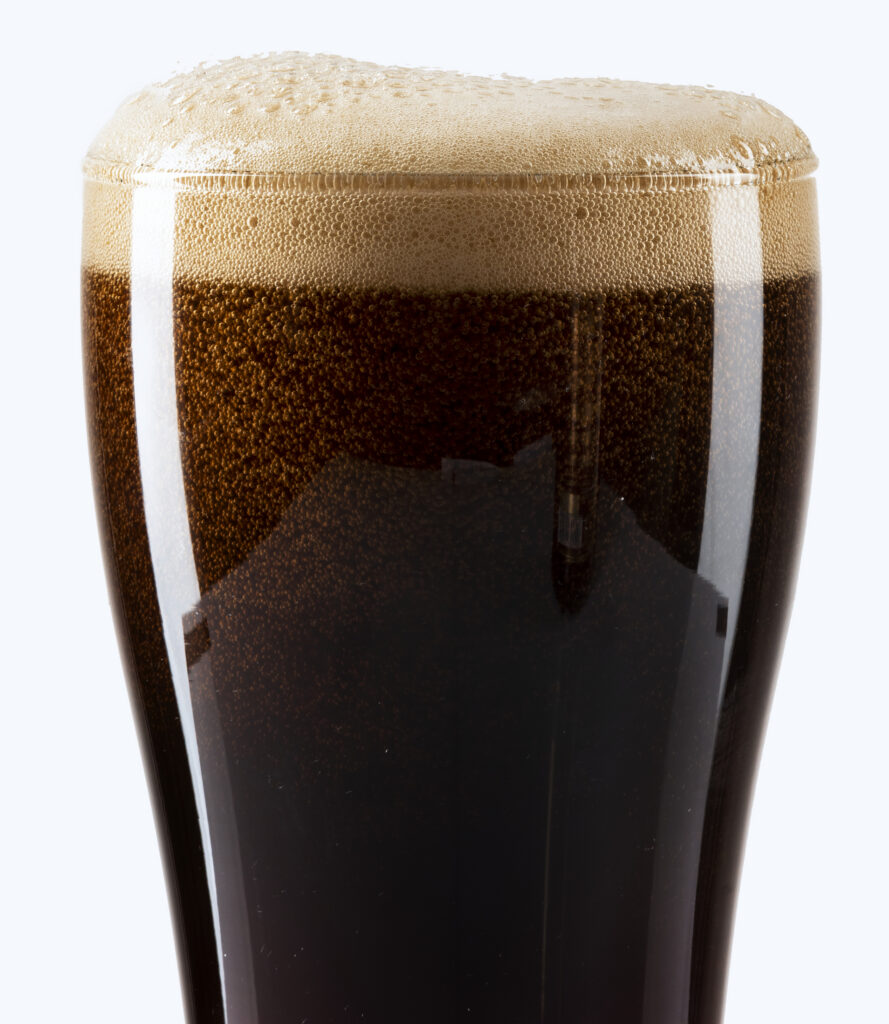
New York has every kind of bar a traveler could want, from rooftop lounges to old corner dives, but the Irish pub remains one of the city’s most reliable pleasures. Not because every place promises a perfect pint or a life-changing plate of shepherd’s pie. Plenty do not. The appeal is that a good Irish pub in NYC offers something visitors often need after a long day of museums, subway stairs, and crowded sidewalks: warmth, rhythm, conversation, and a room that feels lived in.
That matters more than most first-time visitors expect. New York can be exhilarating, but it also demands a lot from your attention. You make dozens of small decisions every hour, which train to catch, where to eat, whether that line is worth joining, whether to keep walking in the rain or duck inside somewhere. A strong pub gives you a place to reset without stepping entirely out of the city’s energy. You can watch a game, listen to music, order something familiar, and still feel connected to the neighborhood around you.
If you are searching for an Irish Pub NYC experience that actually improves your trip, it helps to know what separates a tourist stop from a place you will want to return to. The difference usually has less to do with branding and more to do with timing, location, service, and a few practical details that visitors often miss.
What makes an Irish pub worth your time in New York
Not every pub with dark wood, Guinness signs, and a Celtic-sounding name deserves a stop. New York has many places that borrow the look, but the better ones have a steadier pulse. They know how to pour stout properly, the bartenders can move fast without acting rushed, and the room feels comfortable whether you come in at 2 in the afternoon or just before midnight.
A worthwhile pub usually gets the basics right. The pint arrives clean and cold where it should be cold, or properly tempered where that matters. The food menu is broader than frozen appetizers, even if it is not ambitious. The staff know when to chat and when to leave you alone. You will often notice a mix of people rather than a room made up entirely of visitors with shopping bags and maps on the table. Local office workers, neighborhood regulars, pre-theater crowds, sports fans, and a few tourists can coexist in the same room. That blend is a healthy sign.
The best spots also fit their surroundings. In Midtown, a pub may function as a refuge from corporate towers and hotel traffic. In the West Village or on the Lower East Side, it may lean older, cozier, and more idiosyncratic. In the Financial District, it might fill with after-work regulars and then quiet down later than you would expect. Understanding that neighborhood context helps you pick the right place for the right moment rather than chasing some abstract idea of authenticity.
The city is full of Irish pubs, but they are not interchangeable
Visitors often make one of two mistakes. The first is assuming all Irish pubs in Manhattan are basically the same. The second is overthinking authenticity to the point that they skip good places because the room feels polished or busy. New York is not Dublin, and it does not need to be. Some pubs are old-school neighborhood institutions. Others are newer operations built for high volume. Both can be enjoyable if they are honest about what they are.
A pub near Times Square, for example, may never deliver the intimacy of a side-street local in the East Village. That does not make it a bad choice. If you are heading to a Broadway show and want a quick meal with reliable service, convenience may matter more than romance. On the other hand, if your goal is to spend two unhurried hours over a pint and hear the cadence of regular conversation, a heavily trafficked tourist corridor is working against you before you even sit down.
Think in terms of use, not just reputation. Ask yourself whether you need a pre-theater stop, a late-night refuge, a football viewing bar, a quiet lunch, or a place to meet friends from different parts of the city. New York rewards specificity.
Picking the right neighborhood for the kind of night you want
Manhattan draws most visitors, so it makes sense to start there. Midtown offers the highest concentration of easy-to-find Irish pubs, especially around Penn Station, Grand Central, Rockefeller Center, and the Theater District. The upside is convenience. The downside is price, crowding, and a higher chance of ending up in a place that feels more transactional than memorable.
Downtown neighborhoods often give you more character. The West Village and Greenwich Village tend to suit travelers who want smaller rooms, more conversation, and a sense that the bar belongs to the block. The Financial District can be underrated on weekends, when some business-heavy spots become calmer and easier to enjoy. The Lower East Side and East Village offer a more mixed nightlife scene, where an Irish pub can be part of a longer evening rather than the entire plan.
Brooklyn deserves mention too, particularly if you are staying in Williamsburg, Brooklyn Heights, Park Slope, or nearby areas. You can find excellent pubs outside Manhattan, sometimes with more breathing room and a more local crowd. But if this is your first trip and your days are concentrated around Midtown landmarks, do not build your whole evening around a long subway ride for a pint unless the destination itself really matters to you.
Timing changes everything
A pub that feels cramped and loud at 6:15 p.m. On Thursday may feel ideal at 2:30 p.m. On Saturday. This is one of the simplest travel truths in New York, and one of the most useful. Visitors often judge a place during its hardest shift.
After-work hours, roughly 5 p.m. To 8 p.m. On weekdays, are the most deceptive. A perfectly solid pub can seem chaotic during that window, especially in business districts. Bartenders are moving at full speed, standing room disappears quickly, and food can take longer than expected. If you want calm service and a better chance at a comfortable booth or table, go earlier for lunch, later in the evening after the first rush, or on a weekend afternoon.
Sports schedules also matter. A pub that seems average on a random Tuesday can become electric for a major soccer match, rugby fixture, or playoff game. That can be a tremendous experience if you want energy and communal viewing. It can also ruin a quiet dinner plan. If televisions are a visible part of the room, assume big match days will change the atmosphere significantly.
Live music requires similar judgment. Some visitors imagine traditional sessions every night, but that is not how most New York pubs operate. Music nights can be great, but they change the room. Conversation becomes harder, seats fill earlier, and the place starts functioning less like a casual stop and more like an event space. That is neither good nor bad. It simply needs to match your mood.
How to tell within five minutes whether you should stay
The first few minutes inside any bar reveal a lot. Look at the crowd before you sit. Are people lingering over drinks, or just turning over quickly? Is the noise level coming from conversation, televised sound, or blaring speakers? Are there empty seats because the place is dead, or because the room is larger and better run than the crowd outside suggested?
Then pay attention to the bar itself. Glassware tells a story. So does how the bartender handles a Guinness order. I would not reduce an entire pub to the mechanics of one pour, but sloppy execution on the signature pint is rarely a good sign. The same goes for menus plastered across every surface with laminated drink promotions that overshadow the room. A pub can be busy and commercial without feeling soulless, but when every choice looks engineered for turnover, you can usually feel it.
The smell matters more than people like to admit. A good pub smells like food, malt, polished wood, maybe rain on coats if the weather is bad. A bad one often smells like sanitizer fighting a losing battle, stale fryer oil, or old beer soaked into the floor. Trust that instinct.
Food can save or sink the stop
Most visitors think first about pints, but the food often determines whether a pub becomes a one-drink pause or the anchor of your evening. New York Irish pubs range widely here. Some do the classics well enough to satisfy, with hearty portions and competent execution. Others rely on generic pub fare where everything tastes as if it came from the same freezer.
You do not need a huge menu. In fact, shorter is often safer. A few strong staples beat three pages of middling options. Fish and chips should arrive crisp, not greasy. A burger should be cooked as ordered and served on a bun that can hold together. Soup and brown bread can make a cold day much better. Shepherd’s pie, bangers and mash, or a chicken pot pie can be deeply welcome in winter, especially after hours outside.
Prices are part of the equation. In central Manhattan, you may pay as much for a pub entrée as you would at a casual bistro nearby. That is not automatically unreasonable, because rent and labor are real, but it does mean you should expect competence. If the menu prices look inflated even by New York standards and the room is leaning heavily on foot traffic, order conservatively. A pint and one well-known dish may be the smart play.
Ordering drinks with confidence
You do not need to perform expertise to enjoy a pub. Still, a little practical knowledge helps. Guinness is the obvious order for many people, and in a strong house it remains a satisfying one. But it is not the only test of quality. A pub with good draft maintenance can also pour excellent lagers, ales, and ciders. Irish whiskey selections vary widely, from basic standards to back bars with genuine depth.
If you like whiskey, ask one question rather than pretending fluency. Something as simple as, “Do you have a house favorite for sipping?” often gets a more useful answer than scanning the shelf in silence. Good bartenders enjoy steering interested guests toward a sensible pour, especially if you give a price range or say whether you want something smooth, spicy, or easy.
Cocktails are where caution can be useful. Some pubs make them perfectly well. Others treat them as an obligation. If the room is packed and the bar is clearly built around beer and whiskey, ordering a complicated cocktail during the rush is usually unfair to both you and the bartender. Keep the moment in mind.
For visitors, these habits make a noticeable difference:
- Order your first round clearly and all at once if you are with a group.
- Open a tab when staying for more than one drink, especially in busy areas.
- Ask about kitchen closing time if you arrive late.
- Tip as you go if paying per round, or check the final bill for added gratuity.
- If you want a seat during peak hours, be ready to take the first good one rather than waiting for the perfect table.
Service etiquette in New York pubs
Visitors sometimes expect pub service to work exactly as it does at home, and New York can be slightly different. Some places are table-service focused. Others expect you to order at the bar unless seated and acknowledged. The cues are usually visible if you look for thirty seconds before acting.
Bartenders in New York are often brisk, particularly during the rush, but brisk does not mean unfriendly. A direct order is appreciated. So is having your payment ready. If you need recommendations, ask during a lull or after the first round lands, not while the bartender is three deep with waiting customers. Most people working in good pubs are more helpful than rushed visitors realize, but they reward clarity and timing.
Tipping matters. For drinks, local habits vary a little, but a dollar or two per drink remains common, with more for cocktails or attentive service. On a full food bill, think in the usual restaurant range unless service was genuinely poor. If gratuity has already been added, especially for groups, there is no need to duplicate it by accident. This sounds obvious, but travelers do it all the time after a long day.
Avoiding the common tourist traps without becoming cynical
A busy location alone does not make a place a trap. Some highly visible pubs near major attractions are busy because they are genuinely dependable. The warning signs are more specific. You should be skeptical if every staff interaction feels like pressure to move faster, if the menu is oddly broad, if the drinks arrive carelessly, or if the room seems designed entirely around temporary traffic.
One practical test is to look for repeat behavior. Are people settling in for a second round and another course, or is everyone paying quickly and rotating out? Another is how the staff treat solo guests. Good pubs welcome the person with one book or one pint at the corner of the bar. Places built only for fast volume tend to prioritize larger checks and visible turnover.
That said, do not become so determined to avoid touristy spots that you sabotage convenience. If you have twenty-five minutes before curtain and a nearby Irish pub can get you fed and watered without stress, that may be the right call. Perfection is not always the goal. Function matters on a city trip.
The solo traveler has an advantage here
Irish pubs are among the easiest places in New York to enjoy alone. A solo table for dinner can sometimes feel exposed in a packed restaurant. A solo seat at a pub bar often feels normal. That difference is powerful if you are visiting the city on your own or have a free afternoon while your companions shop, work, or rest.
The best approach is simple. Go at an off-peak hour, take a bar seat if available, and order with confidence. Bring a small amount of curiosity. You do not need to force conversation, but pubs are one of the few urban spaces where casual exchange still happens naturally. A comment about the match on television, the neighborhood, or the whiskey selection can open a door if you want it to. If not, nobody minds. You can just as easily sit quietly, eat well, and watch the room.
Weather changes the role of a pub
This is especially true in New York because visitors often spend long stretches outdoors. In winter, a pub becomes shelter in the best sense of the word. A decent bowl of soup, a dark beer, and a warm seat near the front windows can rescue a freezing itinerary. In summer, air conditioning and a cold cider do different but equally valuable work. On rainy days, Irish pubs seem to absorb damp coats and bad moods better than almost anywhere else.
That is one reason they fit so neatly into sightseeing days. You do not always need a destination pub. Sometimes you need the right pub at the right moment, somewhere between the High Line and your dinner reservation, or after a long museum visit when your feet are done negotiating. Travelers who leave room for those unscripted stops usually enjoy the city more.
A few signs you found a keeper
There is a particular feeling when a pub gets under your skin in a good way. Time loosens. One drink becomes two, not out of excess but because the room has earned your attention. The soundtrack sits in the background instead of fighting the conversation. Plates leave https://penzu.com/p/a887a94ea348e4bb the kitchen looking like someone checked them. You notice people greeting the bartender by name, and visitors are still treated well rather than tolerated.
If you find a place like that on your first or second day in the city, remember it. New York trips often improve when you have one reliable fallback. It can become your lunch spot between neighborhoods, your weather escape, your pre-show routine, or the place where you end the night after trying somewhere louder and less comfortable.
A practical way to build a pub stop into your itinerary
Many visitors plan New York in blocks, Uptown for museums, Midtown for theater, Downtown for wandering and dinner. An Irish pub fits neatly into that rhythm when you use it strategically instead of randomly. Think less about making the pub the headline event and more about letting it support the pace of the day.
Here is a simple framework that works well:
- Choose one pub near a major activity zone, such as the Theater District or near your hotel.
- Choose another in a more character-driven neighborhood for a slower visit.
- Use the first for convenience, and the second for atmosphere.
- Avoid peak weekday rush if your priority is food or conversation.
- Keep one backup option in mind in case a match, private event, or crowd changes the vibe.
This approach sounds basic, but it prevents a common mistake, which is wandering into the first place you see every single time. New York rewards having both a practical option and a memorable one.
Why the Irish pub keeps working in a city that changes so fast
Trends move quickly in New York. Restaurant openings dominate headlines, cocktail bars appear and disappear, and nightlife neighborhoods rise and cool off. The Irish pub endures because it fills a deeper need than novelty. It offers familiarity without requiring formality. It can host celebration, solitude, routine, and recovery all in the same week.
For visitors, that consistency is useful. You may not remember the name of every bar you passed in SoHo or every sleek lounge someone recommended online. You will remember the pub where the bartender steered you toward the right whiskey after a long day, where the fish and chips were better than expected, where your group found a table just before the rain started, or where you watched half a match with strangers who felt briefly like old friends.
That is the real promise of the Irish Pub NYC search. Not some invented version of old-country authenticity, and not a guarantee that every pint will be transcendent. Just the chance to find a room with enough character, skill, and ease to make the city feel more welcoming. For most travelers, that is more than enough reason to push open the door.
Hibernia Bar
401 W 50th St
New York, NY 10019, United States
Phone: +1 212-969-9703
FAQ About Irish Pub NYC
What is the best Irish pub in NYC?
The best choice depends on your location and preferred atmosphere. Hibernia Bar is a neighborhood Irish pub in Hell's Kitchen offering Guinness, Irish whiskey, pub food, and sports viewing.
Where do Irish people go in NYC?
New York's Irish community gathers in many neighborhoods and venues. Hibernia Bar welcomes Irish expats, local residents, and visitors at 401 W 50th St, just off Ninth Avenue.
Where can I watch GAA games in New York?
Hibernia Bar lists GAA among the sports it shows. Call +1 212-969-9703 to confirm coverage and opening times for a particular match before visiting.
What is the difference between a bar and a sports bar?
A sports bar emphasizes televised games and a shared viewing atmosphere. Hibernia combines sports viewing with the food, drinks, and hospitality of a neighborhood Irish pub.